

How does a baby's sense of taste develop?
Did you know thattasteis one of the most developed senses in newborn babies? And that babies tend to explore the world during their first year of life through taste sensations? As they grow older, the sense of taste provides children with important information, warning them, for example, of spoiled food or other unsuitable edible items.
Although newborns naturally prefer sweet tastes, they can already sense all the basic tastes at birth: salty, sweet, sour, bitter, and umami. How does a baby's sense of taste develop from the womb to the introduction of solid foods and beyond? How can parents support their child's sense of taste development?
First taste experiences before birth
A baby's sense of taste is one of the first senses to develop: around the 16th week of pregnancy, the sense of taste develops to the point where the fetus can taste the spices eaten by the mother when swallowing amniotic fluid, for example, and becomes accustomed to them. If an expectant mother has eaten a lot of garlic or chili, for example, the child is unlikely to be startled by these flavors in the outside world.
Newborn babies naturally prefer sweet flavors due to the sweetness of breast milk. However, breast milk does not always taste the same; babies can taste the flavors of their mother's diet through her milk. The diet during pregnancy and breastfeeding does not determine the child's final taste preferences, as these are equally influenced by the food experiences gained through solid foods as a baby and child. In fact, the sense of taste develops throughout a person's life, so even as an adult it is not impossible to learn to enjoy new flavors. However, this is easiest to achieve when children are accustomed to tasty and healthy flavors from an early age.
Repetition supports the development of a baby's sense of taste
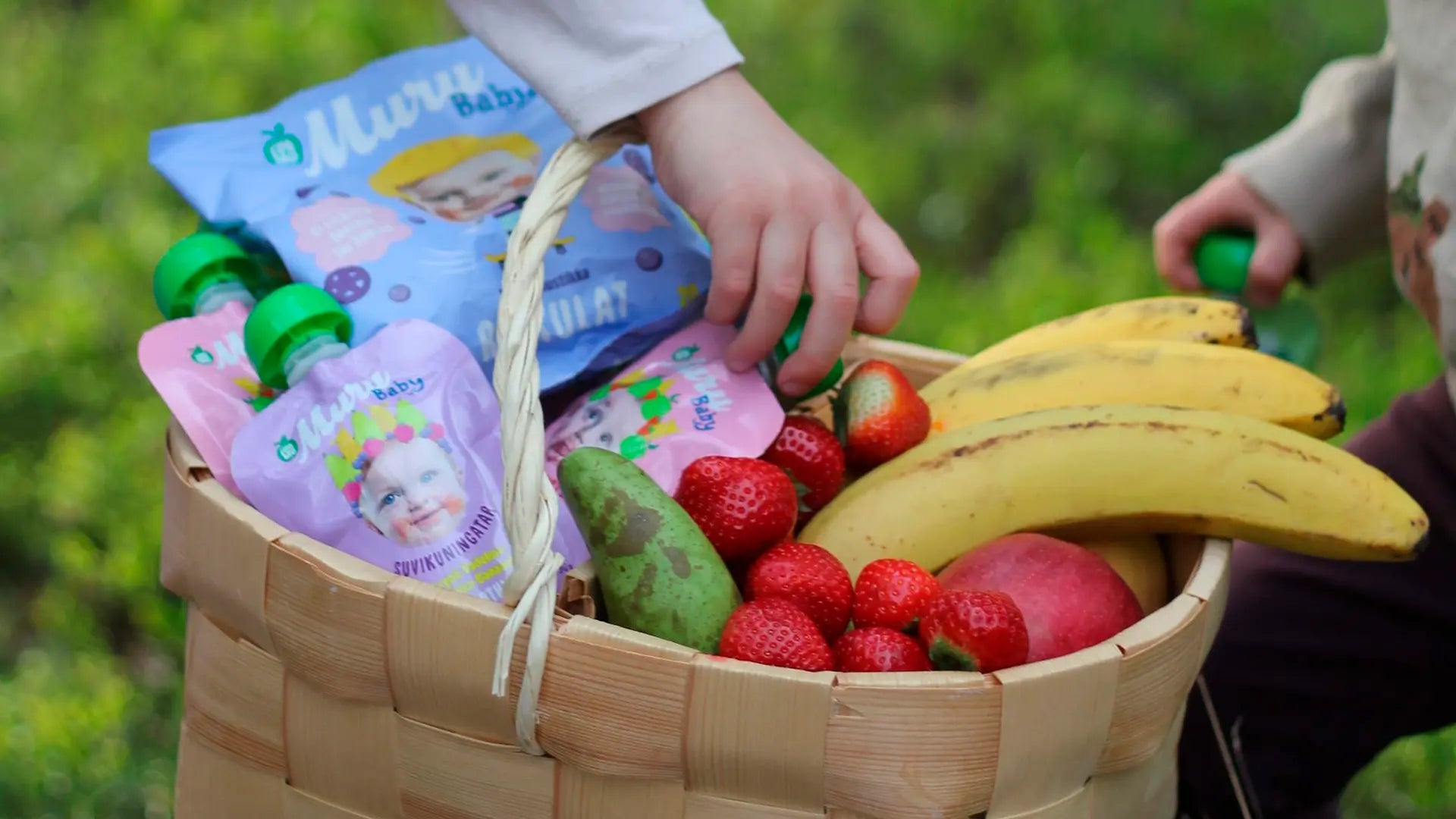
Repetition is the mother of learning – also when it comes to developing the sense of taste. Children gradually get used to new flavors, so don't be discouraged if their first reaction to a new taste is to grimace and spit the food out. It is said that you should try the same flavor 10-20 times before you learn to like it. If you want, you can mix a new flavor with a familiar and favorite flavor, so that the number of tastings goes unnoticed. For example, if your baby likes bananas but not avocados, you can mash a banana and mix in a small amount of avocado. Start with a small amount of the new flavor and increase the amount with each tasting. Eventually, your child will usually get used to the new flavor on its own.
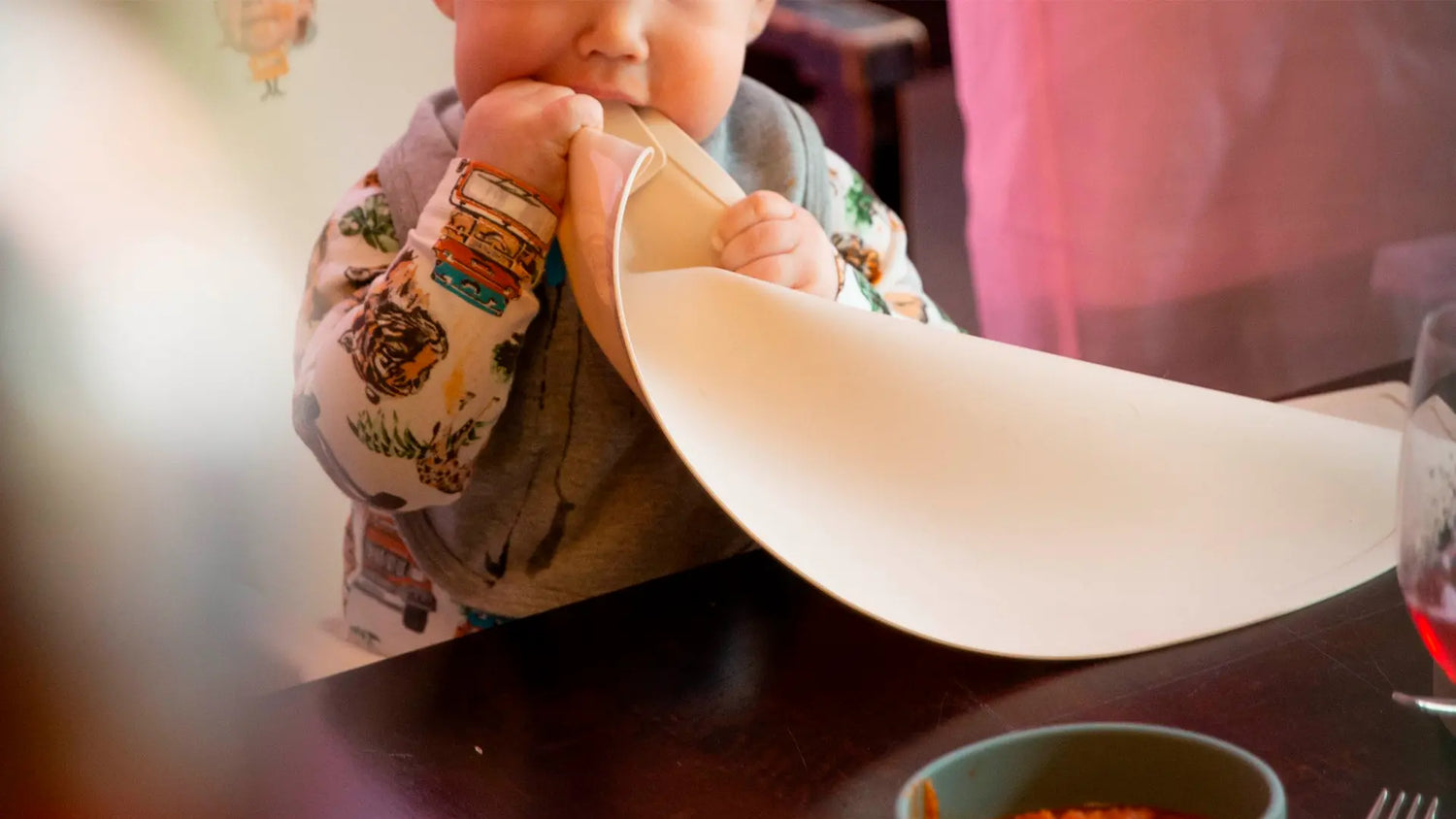
In order to develop their sense of taste and ensure they get enough nutrients, it is important to offer children a wide variety of foods. Different colors, sizes, textures, and flavors make eating interesting for children. It is good to let babies explore food freely with their hands and mouths, even if it makes a mess. Since babies naturally put objects and things in their mouths to explore them, with a little patience, they can be encouraged to taste flavors that they would otherwise refuse when their parents try to feed them.
Solid foods are always introduced one at a time, but sometimes older babies are offered food with the emphasis on trying new flavors, forgetting how the food tastes. When it comes to eating, it does matter what is on the plate, because babies also enjoy it when the flavors of the food harmonize and the whole dish tastes good. It is a good idea to involve children in cooking from an early age, so that they can taste, smell, and feel the ingredients together and see how they combine to form delicious food.
Childhood helps you get used to new flavors
It is important to remember that children are individuals just like us adults, and they do not have to like all foods. However, their diet should be sufficiently varied to provide them with enough building blocks for growth. Children are allowed to have favorite foods and foods they dislike, as long as their diet is sufficiently varied overall.
Some children are not particularly bothered by new flavors and readily incorporate them into their diet, while others may take a long time to get used to new things, taking small steps at a time. Although it is important for parents to introduce their children to new flavors, it is also important to respect the child's own pace and readiness to eat. Eating should always be enjoyable, preserving the child's natural curiosity and enthusiasm for new experiences. Food that tastes good helps ensure that it ends up in the child's stomach.
At Muru Baby, we believe that babies and children have the right to enjoy tasty food and to awaken their taste buds to delicious experiences from an early age. We are just as ambitious about the food we make for babies and children as we are for adults: recipes, ingredients, and cooking methods come first. For us, taste and health are at the heart of everything we do, and we never compromise on high-quality ingredients. That's why our food tastes delicious from babies to grandparents – try it for yourself!
What should we eat today? Get some inspiration for your child's plate here!
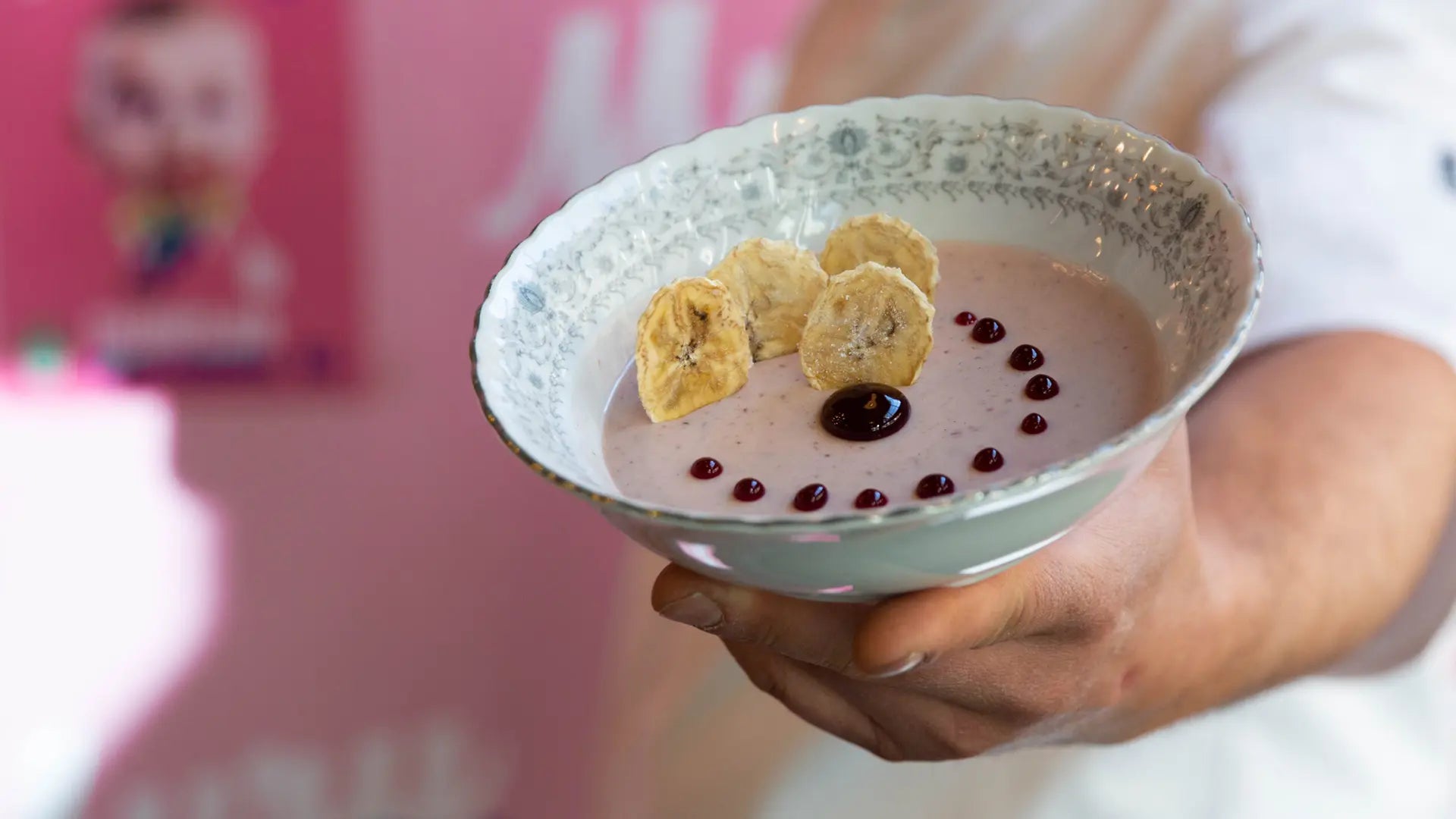
Sweet Strawberry Master, delicious crisp Apple-Lingonberry-Oatmeal Porridge, crispy crackling rings, or nicely seasoned Greek Lamb Stew.

Leave a comment
This page is protected by hCaptcha and the hCaptcha privacy policy and terms of use apply.